 Search



Thinking of Buying a New Car? 9 Essential Steps to Get It Right
Did you know that more than 2 million brand new cars were sold in 2025?[1] Are you thinking of buying a new car this year? Whether you’re upgrading, downsizing, or buying brand new for the first time, here are 9 Essential Steps to Get It Right.
1. Set Your Budget (and Stick to It)
Before you even start browsing, work out what you can realistically afford. Remember, cars come with lots of different costs that can differ greatly, depending on make, model age and mileage of the vehicle. Make sure your budget includes:
- The price of the car (or monthly payments if financing)
- Insurance costs (often higher for new cars)
- Fuel or charging costs
- Road tax
- Servicing and maintenance
It can be tempting to stretch your budget for extra features, or a fancier model but setting a clear limit early on helps prevent overspending later.
2. Decide What You Need from Your Car
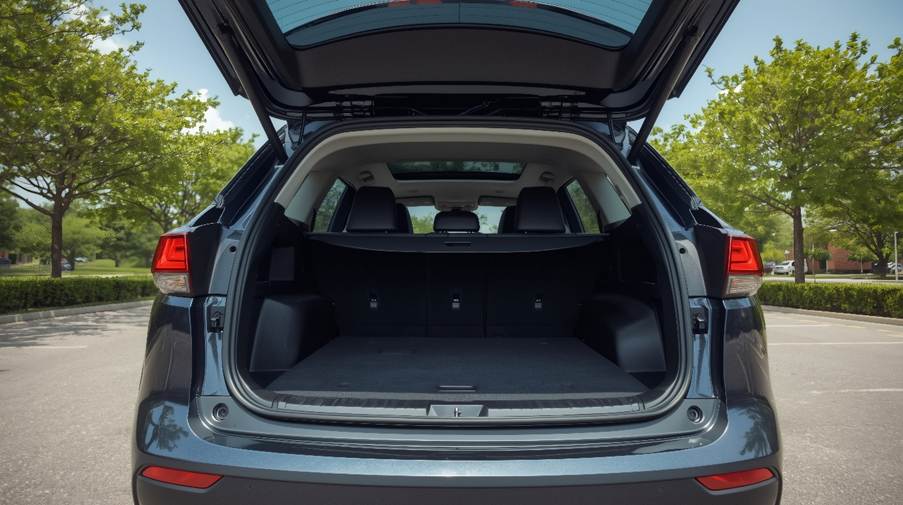
Think about how your new car will fit into your lifestyle. Ask yourself:
- How many passengers do I regularly carry?
- Do I need lots of boot space?
- Will I mainly drive in the city, on motorways or in the countryside?
- Is fuel efficiency or low emissions important to me?
- Can I safely fit multiple child car seats?
- Is there enough space for my dog?
From smaller city cars to 4x4s and electric vehicles, choosing a car that suits your day-to-day needs will save you frustration in the long run.
3. Choose Between Petrol, Diesel, Hybrid or Electric

Fuel type is a big decision when buying a new car:
- Petrol: Generally cheaper upfront and ideal for short journeys.
- Diesel: Better for long-distance driving but increasingly restricted in city centres due to low emission charges.
- Hybrid: A balance between fuel efficiency and convenience.
- Electric (EV): Low running costs and emissions but requires access to charging.
Consider your driving habits and local clean air restrictions when making your choice.
4. Compare New Car Finance Options

Most new cars are bought using finance. Common options include:
- Personal Contract Purchase (PCP) – Lower monthly payments with the option to buy at the end.
- Hire Purchase (HP) – You own the car outright after the final payment.
- Personal Loan – Buy the car outright and repay the loan separately.
Always compare interest rates, total cost, and mileage limits before committing.
If you choose to finance your vehicle, ensure the monthly repayments are affordable. While affordability checks are carried out before finance is approved, it’s important to consider whether your financial circumstances could change in the future and affect your ability to keep up with payments. Missing payments could result in the vehicle being repossessed.
5. Research, Compare and Read Reviews
Once you’ve shortlisted a few models, do your homework:
- Compare prices across dealerships for the best price.
- Read expert and customer reviews. WhatCar, Auto Express and CarWow are all good options.
- Check safety ratings and reliability scores. Euro NCAP(European New Car Assessment Programme) is Europe’s standard for vehicle safety. It includes crash testing and safety assist evaluations and provides star ratings and detailed scores.
Online research can reveal common issues and help you avoid surprises later.
6. Test Drive Before You Buy
A test drive is essential. Pay attention to:
- Comfort and driving position
- Visibility and ease of controls
- Engine performance and noise
- Parking and manoeuvrability
If possible, test drive more than one model to compare how they feel on the road.
7. Negotiate the Deal
Even with new cars, there’s often room to negotiate. You may be able to secure:
- A lower price
- Free servicing or accessories
- A better trade-in value
Don’t be afraid to walk away, dealerships may come back with a better offer.
8. Check Insurance and Running Costs
Before deciding to buy, get an insurance quote for the exact model you’re buying. If your desired car is going to push you over your budget, think about another vehicle.
New cars can come with higher repair costs, which is why choosing the right level of insurance matters. Comprehensive cover can give you peace of mind, protecting your vehicle against accidental damage, theft and more, whether you’re driving it home for the first time or commuting every day – Get a car insurance quote today with GoSkippy.
Also factor in servicing plans, warranties, and breakdown cover for peace of mind.
9. Read the Paperwork Carefully
Before you drive away, double-check:
- The final price and finance agreement
- Mileage limits and excess charges
- Warranty details
- Delivery times and cancellation rights
If something doesn’t look right, ask questions, it’s much easier to fix issues before putting the pen to paper.
Buying a new car doesn’t have to be stressful. By setting a clear budget, understanding your needs and researching your options you can find a car that fits your lifestyle and your finances.
A little preparation goes a long way and soon, you’ll be enjoying that new car feeling with total confidence.
Looking to sell your current car before buying new? Check out our guide with 5 Ways You Could Increase Your Car’s Value Before Selling.
Protect your new car with confidence
Once you’ve found the perfect car, make sure it’s protected with insurance you can rely on.
Get a quick quote today and enjoy peace of mind from the moment you drive away.
[1] New car sales hit two million in 2026 with nearly a quarter of buyers going electric | The Independent