 Search


Why Is My Car Making That Noise? 10 Common Car Noises Explained
Is your car making a strange noise that you don’t recognise?
From squeaking brakes and clicking when turning to rattling under the bonnet, unusual car noises can sometimes be an early sign that something needs attention.
The sound alone won’t always identify the cause. When it happens, whether it changes with speed and any other symptoms can all provide useful clues.
Here are 10 common car noises and what they could mean.
1. Squeaking or squealing when braking
A high-pitched squeal when braking could be caused by worn brake pads, moisture, brake dust or another brake component.
If the noise is persistent, or you notice changes in braking, vibration or longer stopping distances, arrange a brake inspection. If braking performance is significantly affected, don’t continue driving until the vehicle is checked.
2. Grinding or scraping when braking
Grinding or scraping when braking can indicate significant brake wear or another problem with the braking system.
Because brakes are critical for safety, have the vehicle inspected as soon as possible. If you notice reduced braking performance, pulling, vibration or a brake warning light, seek professional advice before continuing to drive.
3. Clicking when turning
A repetitive clicking noise during tight, low-speed turns could potentially be related to a driveshaft or CV joint.
If the clicking is persistent, becoming louder or is accompanied by vibration or changes in steering, arrange an inspection with a qualified garage.
4. Rattling or clunking over bumps
A rattling or clunking noise over bumps could come from the suspension, exhaust or another component underneath the car. Sometimes it may be something relatively simple, such as a loose heat shield, but it can also indicate a suspension problem.
If the noise is new or worsening, particularly if the vehicle feels less stable or the steering or handling has changed, have it checked.
5. Humming or rumbling while driving
A humming, droning or rumbling noise that gets louder with road speed can be associated with tyres, wheels or wheel bearings. Uneven tyre wear can also create unusual road noise.
Check your tyres for obvious uneven wear and arrange an inspection if the noise persists, changes when cornering or is accompanied by vibration.
6. Squealing when accelerating
Squealing during acceleration could potentially be caused by an auxiliary or drive belt, pulley or tensioner.
If the noise is new or getting louder, arrange an inspection. If it occurs alongside overheating, a warning light or changes in engine performance, seek professional advice promptly.
7. Knocking or tapping from the engine
A knocking or tapping engine noise can have several causes, including an issue with engine oil or another mechanical component.
Have the vehicle checked if the noise continues, gets louder with engine speed or is accompanied by a warning light, loss of power or other changes in engine performance. If serious symptoms appear, stop driving and seek professional advice.
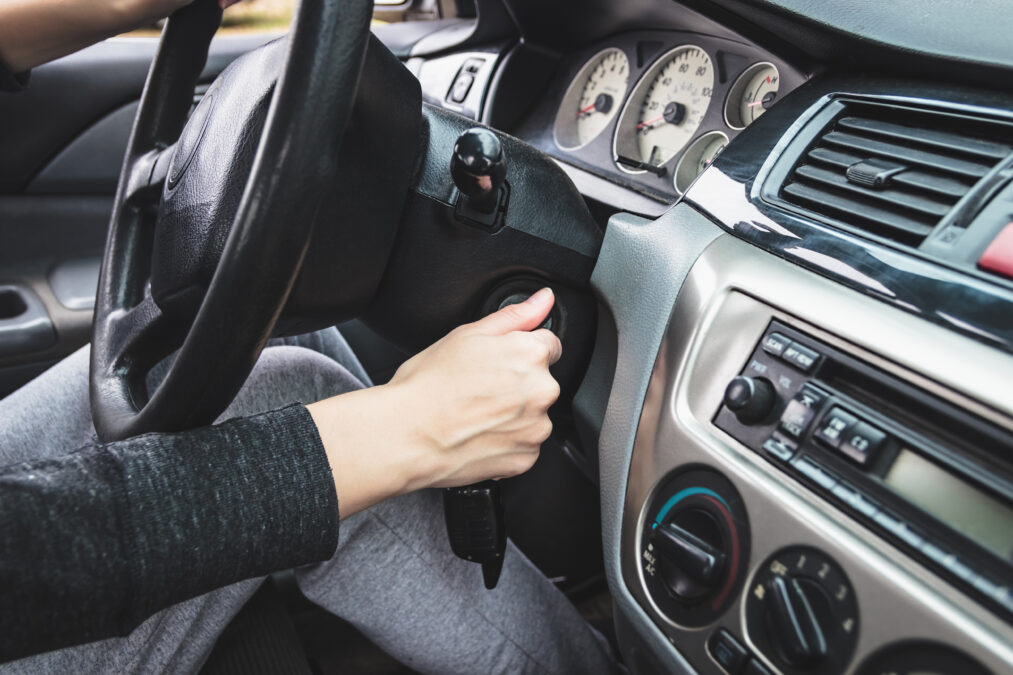
8. Clicking when starting the car
If you hear clicking when trying to start the car but the engine doesn’t start, there could be an issue with the battery, starter motor or electrical connections.
A single click and repeated rapid clicking can have different causes. If the car repeatedly struggles to start, have the battery and starting system checked rather than repeatedly attempting to start it.
9. Roaring when accelerating
A sudden roaring or booming sound when accelerating could indicate a damaged, loose or disconnected exhaust component, although there can be other causes.
If your car becomes noticeably louder, or you notice rattling, unusual smells or changes in performance, arrange an inspection. If you’re concerned about exhaust fumes entering the cabin, seek professional advice promptly.
10. Hissing or whooshing
A hissing or whooshing noise can have several causes. On some turbocharged vehicles, for example, it could potentially indicate an air leak.
Pay attention to when the noise occurs and whether it is accompanied by loss of power or a warning light. If it’s new or persistent, arrange an inspection with a qualified garage.
When should you get a strange car noise checked?
The same noise can have different causes depending on the vehicle and when it occurs. When you hear something unusual, consider:
- Does it happen when braking, accelerating, steering or going over bumps?
- Does it change with road speed or engine speed?
- Is it becoming louder or more frequent?
- Does it happen when the engine is cold, warm or both?
- Are any warning lights showing?
- Have you noticed changes in braking, steering, handling or engine performance?
Don’t ignore changes in how your car feels
A strange noise doesn’t necessarily mean there’s a serious problem, but persistent or worsening noises are worth investigating.
Get it checked promptly if:
- The noise is getting louder or more frequent
- Your braking, steering or handling has changed
- A warning light appears
- The vehicle is losing power
- You notice unusual smells or other new symptoms
If you believe the vehicle may not be safe to drive, stop somewhere safe and seek advice from a qualified automotive professional.
Remember, a current MOT doesn’t necessarily mean your vehicle is safe to drive today. Drivers are responsible for ensuring their vehicle is roadworthy.
Where can you get a strange car noise checked?
A qualified garage or automotive professional can inspect the vehicle and identify the source of an unusual noise.
Depending on the symptoms, this could involve checking the brakes, tyres, suspension, exhaust, engine or electrical system.
Get it checked out and drive safe.